
23 October 2026 · zakupki-expert.moscow editorial team
First identify the discrepancy
A different name does not describe the whole problem. A designation may refer to another modification, configuration, regional version or product generation. The reverse also occurs: the delivery note matches the contract, but the goods' own marking indicates another version. Comparison therefore starts with specific units and documents, rather than the manufacturer's general catalogue.
Record the manufacturer, full model designation, item code, serial number, batch number and available version details. Photograph the overall goods, nameplate, packaging marking and supplied set. If designations conflict, retain every version. Do not alter labels or standardise document names before the discrepancy has been explained.
Select documents for comparison
The expert needs a set that reconstructs the agreed properties: the contract or agreement, item specification, technical specifications, relevant annexes, supplier's bid, agreed amendments and correspondence about replacement. Provide documents with dates and revision numbers. A separate table from correspondence may contain requirements that were changed later.
For procurement under 44-FZ, 223-FZ and ordinary supply contracts, the legal permissibility of a change is assessed against the relevant rules and terms. A technical report helps identify differences, but does not itself document consent to replacement or decide whether the customer may accept it. It is therefore best to frame technical and contractual questions separately.
Create a table of properties to verify
A useful working table has five columns: requirement, source of the requirement, agreed model details, delivered product details and verification method. The last column states whether documents suffice or inspection, measurement or testing is needed. A promotional description must not silently be presented as an examination result.
- Intended use and permitted operating modes.
- Performance, accuracy, power and other relevant parameters.
- Overall and connection dimensions, interfaces and compatibility.
- Materials, completeness, consumables and accessories.
- Installation, operation and maintenance requirements.
- Documents specific to this model and version.
If a property is unconfirmed, record it as “data not provided” or “verification required”. This differs from an established non-conformity. Keep units and conditions for range-based parameters: performance in one mode cannot be compared without explanation with a maximum value in another.
Check how the differences affect the task
“Better parameters” needs explanation. Higher power may bring different electrical supply requirements, and higher performance may mean different dimensions and resource use. One advantage does not establish suitability against all other conditions. Rather than a general rating, identify which parameters changed and how this affects the intended use.
Compatibility is checked in the actual environment: existing equipment, software, fixings, utilities or consumables. State what the goods must work with and attach the relevant diagrams and specifications. A missing adapter and fundamental incompatibility are different circumstances requiring different verification methods.
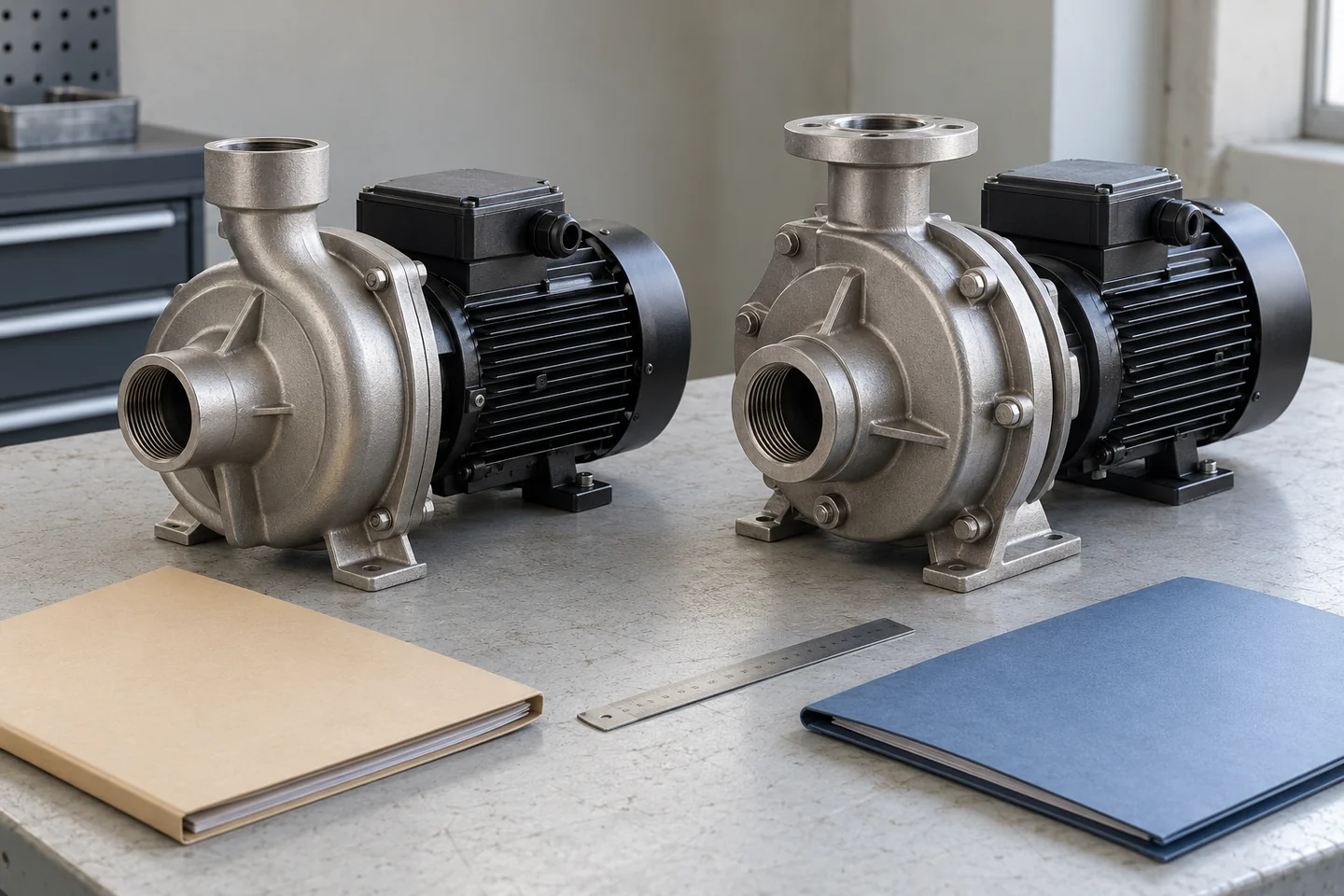
Pay particular attention to versions within one model family. Identical housings do not imply identical equipment. Request documents for the version delivered, and distinguish manufacturer information from the unit's examination results. If an extra module is needed to support a property, clarify whether it was included in the supplied set.
Keep inspections and tests verifiable
Each sample must remain traceable to the delivery. The inspection record states product identifiers, date, location, participants and packaging condition. For a batch, describe how many units were examined and how they were selected. Findings about one examined unit cannot be extended to the whole batch without justification, especially where versions differ.
Record the method, equipment, conditions and results of measurements. If testing alters or consumes a sample, agree its scope and procedure in advance. Retain handover documents, original-condition photographs and available storage information before verification. Certificates and declarations are considered alongside product identification; having a document does not replace comparison with the specification.
Which questions to put to the expert
- What are the manufacturer, model, version and completeness of the goods presented?
- Do the established properties meet the specific clauses of the technical specifications and item specification?
- What differences were identified and what data support them?
- How do the differences affect use in the stated conditions and compatibility with existing equipment?
- Which parameters cannot be verified from the submitted materials, and what else is needed?
It helps to attach a concise discrepancy map: one requirement clause, one observed fact and a file or photograph reference. This allows the examination subject to be agreed and findings on specific properties to be obtained, without turning technical verification into a dispute over which model is generally “better”.